%20--%3e%3cpath%20d='M451.7,65.6v29.2h33.3c-2.8,4.2-11.2,7.9-26.3,7.9s-29.8-8.2-29.8-27.3,10.5-27.3,30.1-27.3,25.5,6.8,25.5,12.1h58v-4.2c0-30-17.2-40-48.4-40h-66.3c-34,0-56.7,14-56.7,51.4v15.4c0,37.8,21.2,51.4,53.5,51.4h28.1c18.5,0,29-6.5,34.8-15.2v14h55.8v-67.2h-91.5Z'/%3e%3cpath%20d='M550.2,15.9v36h55.8v44.1h-55.8v36.3h169.9v-36.3h-56v-44.1h56V15.9h-169.9Z'/%3e%3cpath%20d='M727.1,15.9v116.5h169.4v-34h-111.5v-6.5h110.4v-35.3h-110.4v-7h111.5V15.9h-169.4Z'/%3e%3cpath%20d='M903.4,15.9v36.8h55.8v79.7h58.1V52.8h56V15.9h-169.9Z'/%3e%3cpath%20d='M245.4,138.1h68.1c30,0,50.5-14.9,50.5-46.4V19.9h-54.3v52.6c0,18.5-8.8,28.6-29.1,28.6s-28.6-10.1-28.6-28.6V19.9h-58.1v71.7c0,31.5,21.2,46.4,51.3,46.4Z'/%3e%3cpath%20d='M16.6,15.9v117h58v-34.2h41.2c11.5,0,16.3,3.1,16.3,15.9v18.4h54.3v-28c0-14.6-8.6-20.5-20.8-22.2,12.5-2.6,21.5-11.4,21.5-26.6v-6.7c0-21.6-9.4-33.4-39.4-33.4H16.6ZM118.9,50.6c9.7,0,13.5,2,13.5,7.2s-3.8,7.2-13.5,7.2h-44.2v-14.3h44.2Z'/%3e%3c/svg%3e)

How to Prevent Hair Loss in Men: Evidence-Based Strategies
While there's no cure for male pattern baldness, early action and the right treatment strategy can significantly slow hair loss. Here's what the evidence actually supports.
Male pattern hair loss is a progressive condition, and for men who are genetically predisposed, it doesn't stop or reverse on its own. The good news is that it is also one of the most treatable cosmetic conditions in men's health. With FDA-approved medications and a handful of supportive lifestyle habits, most men can significantly slow the rate of hair loss — and many can maintain or partially restore their hair with consistent treatment. The key is understanding what actually works and starting before significant loss has occurred.
Start With FDA-Approved Medication
The most important step any man can take to prevent hair loss is beginning treatment with a clinically validated medication. There are currently only two drugs approved by the FDA specifically for male pattern hair loss: finasteride and minoxidil.
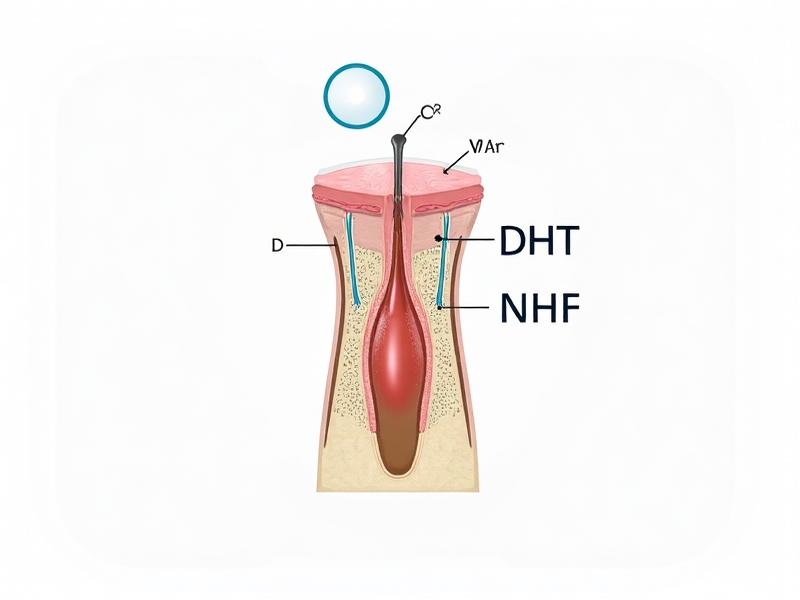
Finasteride (1mg, taken orally once daily) blocks the conversion of testosterone to DHT — the hormone responsible for follicle miniaturization in androgenetic alopecia. Clinical trial data demonstrates that finasteride prevents further hair loss and promotes regrowth in the majority of men over two years. At year two, 66% of finasteride-treated men show improved hair growth versus 7% on placebo.[1]
Minoxidil is a topical vasodilator that improves blood flow to hair follicles, extending the active growth phase and supporting thicker regrowth. It is available over the counter in a 5% topical solution or foam. Once-daily topical 5% minoxidil has demonstrated improvements in scalp coverage and hair density with a well-tolerated safety profile.
Both medications require consistent, long-term use to maintain results. Stopping treatment generally leads to a return of hair loss within six to twelve months. Many providers recommend using both in combination, as they work through different mechanisms and the effects may be complementary.
Act on Early Signs of Hair Loss
The timing of treatment significantly affects outcomes. Follicles that have recently begun to miniaturize are considerably more responsive to DHT-blocking treatment than those that have been inactive for years. Waiting until hair loss is visibly advanced reduces the range of what medication can realistically achieve.
Early warning signs include increased hair in the shower drain or on a brush, a gradually higher hairline, reduced density at the crown, or visible scalp when hair is wet. Any of these is worth discussing with a healthcare provider rather than waiting to see how things develop.
Consistency Is Essential
Neither finasteride nor minoxidil works if used inconsistently. Both medications require daily use without interruption for results to accumulate and be maintained. Long-term data shows that 86% of men taking finasteride for 10 years continue to benefit from the treatment.[2] Missing doses regularly or stopping and restarting undermines the effectiveness of either treatment and can accelerate loss during the off periods.
Practical strategies to maintain consistency include setting a daily alarm, pairing medication with an existing habit, and keeping treatment in a visible location.
Address Nutritional Deficiencies
Hair follicles are metabolically active tissue and depend on an adequate supply of specific nutrients. While nutritional deficiencies alone do not cause androgenetic alopecia, they can worsen the rate and severity of shedding.
Protein is the most important macronutrient for hair health. Hair is composed almost entirely of keratin, a structural protein, and chronic low protein intake can push follicles into a resting phase prematurely. Adequate dietary protein from sources such as lean meats, eggs, fish, and legumes is important.
Several micronutrients are also associated with hair health. Iron deficiency is a well-established contributor to diffuse hair shedding in men. Zinc plays a role in follicle cycling and sebaceous gland function. Vitamin D receptors are present in hair follicles, and low vitamin D has been associated with hair loss in some studies. Vitamin B12 supports cell division in rapidly growing follicle tissue. Men experiencing unexplained or rapid shedding should consider getting bloodwork to check for these deficiencies.
Manage Chronic Stress
Chronic psychological stress is a documented trigger for telogen effluvium — a form of diffuse hair shedding that occurs when elevated cortisol and other stress hormones push a large number of follicles into the resting phase simultaneously. Unlike androgenetic alopecia, telogen effluvium is typically temporary, but it can significantly worsen the appearance of thinning in men who are also experiencing genetic hair loss.
Regular physical activity, sufficient sleep, and stress reduction practices (whether therapy, mindfulness, or other methods) help regulate the hormonal environment that supports healthy follicle cycling.
Keep the Scalp Healthy
A healthy scalp environment supports normal follicle function. Conditions such as seborrheic dermatitis and scalp inflammation do not cause androgenetic alopecia but can exacerbate shedding and reduce the effectiveness of topical treatments by impairing absorption. Medicated shampoos containing ketoconazole or zinc pyrithione can help manage scalp inflammation and maintain a healthier follicle environment. Ketoconazole has also demonstrated mild anti-androgenic activity in some research, which may provide a minor complementary benefit when used alongside finasteride or minoxidil.
Avoid Physical Stress to the Hair and Scalp
Repeated physical tension on hair follicles — from tight hairstyles such as braids, high ponytails, or buns — can lead to a form of hair loss called traction alopecia. Unlike androgenetic alopecia, traction alopecia is caused by mechanical damage to the follicle and is preventable by avoiding consistently high-tension styles. Similarly, aggressive brushing of wet hair and frequent use of high-heat styling tools can increase breakage and thinning over time.
Be Skeptical of Unproven Treatments
The hair loss supplement and cosmetic market is large and largely unregulated in terms of efficacy claims. Products including herbal DHT-blocking shampoos, laser combs, caffeine sprays, and biotin-heavy supplements are widely marketed but are not backed by clinical evidence comparable to that supporting finasteride and minoxidil. Men considering hair loss treatment should prioritize medications with a demonstrated clinical track record and consult a healthcare provider rather than relying on consumer marketing claims.
When to See a Doctor
Not all hair loss is androgenetic alopecia. Sudden or patchy hair loss, hair loss accompanied by fatigue, weight changes, or skin changes, and hair loss in unusual patterns can indicate underlying medical conditions including thyroid disorders, autoimmune alopecia areata, or iron-deficiency anemia. Any of these warrant evaluation by a physician before treatment is started. A provider can also confirm whether male pattern hair loss is the cause and recommend an appropriate, individualized treatment plan.
References
- Kaufman KD, Olsen EA, Whiting D, et al. Finasteride in the treatment of men with androgenetic alopecia. Finasteride Male Pattern Hair Loss Study Group. J Am Acad Dermatol. 1998;39(4 Pt 1):578–89. PMID: 9777765. https://pubmed.ncbi.nlm.nih.gov/9777765/
- Rossi A, Cantisani C, Scarnò M, Trucchia A, Fortuna MC, Calvieri S. Finasteride, 1 mg daily administration on male androgenetic alopecia in different age groups: 10-year follow-up. Dermatol Ther. 2011;24(4):455–61. PMID: 21910805. https://pubmed.ncbi.nlm.nih.gov/21910805/
Ready to treat your hair loss?
🔥 Get 15% off RUGIET with code EMH15🔥 15% off RUGIET: EMH15