%20--%3e%3cpath%20d='M451.7,65.6v29.2h33.3c-2.8,4.2-11.2,7.9-26.3,7.9s-29.8-8.2-29.8-27.3,10.5-27.3,30.1-27.3,25.5,6.8,25.5,12.1h58v-4.2c0-30-17.2-40-48.4-40h-66.3c-34,0-56.7,14-56.7,51.4v15.4c0,37.8,21.2,51.4,53.5,51.4h28.1c18.5,0,29-6.5,34.8-15.2v14h55.8v-67.2h-91.5Z'/%3e%3cpath%20d='M550.2,15.9v36h55.8v44.1h-55.8v36.3h169.9v-36.3h-56v-44.1h56V15.9h-169.9Z'/%3e%3cpath%20d='M727.1,15.9v116.5h169.4v-34h-111.5v-6.5h110.4v-35.3h-110.4v-7h111.5V15.9h-169.4Z'/%3e%3cpath%20d='M903.4,15.9v36.8h55.8v79.7h58.1V52.8h56V15.9h-169.9Z'/%3e%3cpath%20d='M245.4,138.1h68.1c30,0,50.5-14.9,50.5-46.4V19.9h-54.3v52.6c0,18.5-8.8,28.6-29.1,28.6s-28.6-10.1-28.6-28.6V19.9h-58.1v71.7c0,31.5,21.2,46.4,51.3,46.4Z'/%3e%3cpath%20d='M16.6,15.9v117h58v-34.2h41.2c11.5,0,16.3,3.1,16.3,15.9v18.4h54.3v-28c0-14.6-8.6-20.5-20.8-22.2,12.5-2.6,21.5-11.4,21.5-26.6v-6.7c0-21.6-9.4-33.4-39.4-33.4H16.6ZM118.9,50.6c9.7,0,13.5,2,13.5,7.2s-3.8,7.2-13.5,7.2h-44.2v-14.3h44.2Z'/%3e%3c/svg%3e)

Finasteride vs. Minoxidil for Hair Loss: What's the Difference?
Finasteride and minoxidil are the two FDA-approved treatments for male hair loss, but they work in completely different ways. Here's what men need to know.
Male pattern hair loss affects roughly two thirds of men by age 35, and the causes are well understood. So are the treatments. Finasteride and minoxidil are the only two medications approved by the FDA for male pattern baldness, and while they're often used together, they do very different things. Understanding how each one works helps men make better decisions about their hair loss treatment — and set realistic expectations for results.
What Causes Male Pattern Hair Loss
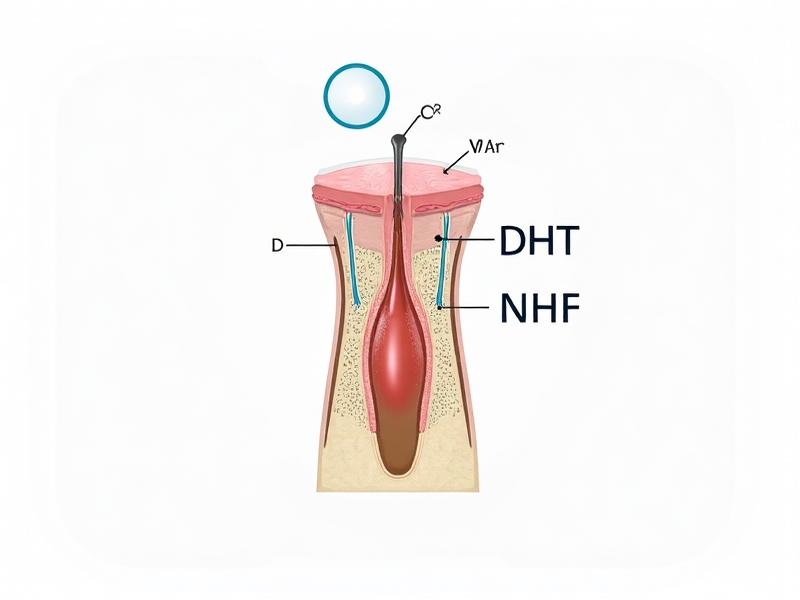
Male pattern hair loss, known medically as androgenetic alopecia, is primarily driven by genetics and a hormone called dihydrotestosterone, or DHT. DHT is produced when testosterone is converted by an enzyme called 5-alpha reductase. In men who are genetically predisposed to hair loss, DHT binds to receptors in scalp hair follicles and causes them to miniaturize over time — producing progressively thinner strands until the follicle eventually stops producing new hair altogether. This process tends to follow predictable patterns, typically starting at the hairline or crown.
Both finasteride and minoxidil address hair loss through different mechanisms, which is why they're sometimes used in combination.
How Finasteride Works
Finasteride is a prescription oral tablet taken once daily. It works by inhibiting 5-alpha reductase — the enzyme that converts testosterone into DHT. By reducing DHT levels in the scalp, finasteride targets the underlying hormonal cause of male pattern hair loss.
Clinical trials demonstrate that finasteride 1mg per day promotes hair growth and prevents further hair loss in a significant proportion of men. At two years, 66% of finasteride-treated men show improvement in hair growth based on standardized clinical photographs, compared to 7% of men receiving placebo. Hair counts show an average increase of 11% at one year.
Results are not immediate. Most men begin to notice changes after four to six months of consistent daily use, with the most meaningful improvements typically appearing at the one-year mark. Finasteride is for men only. Women who are pregnant or may become pregnant should not handle crushed or broken tablets due to the risk of birth defects.
Finasteride Side Effects
Finasteride is generally well tolerated. In phase III clinical trials, 7.7% of patients taking finasteride 1mg reported treatment-related adverse events, compared to 7.0% in the placebo group. Sexual side effects — including decreased libido, erectile dysfunction, and ejaculation disorder — were reported by 3.8% of finasteride recipients versus 2.1% on placebo. In most cases these resolved either while continuing treatment or after stopping it.
In 2011, the FDA also added depression to the finasteride label following reports in a small number of users. Men considering finasteride should discuss their full medical history with a licensed healthcare provider before starting treatment.
How Minoxidil Works
Minoxidil takes a different approach. Rather than targeting DHT, minoxidil is a vasodilator — it widens blood vessels near the scalp, increasing blood flow to hair follicles. This improved circulation delivers more oxygen and nutrients to follicles, helping to extend the active growth phase of the hair cycle and stimulate thicker, faster regrowth.
Topical 5% minoxidil is available over the counter and is FDA-approved for male pattern hair loss. An oral version is also available but is prescribed off-label by some providers. Topical 5% minoxidil used once daily has demonstrated well-tolerated improvements in scalp coverage and hair density.
What to Expect With Minoxidil
One thing many men don't anticipate is an increase in shedding during the first four to six weeks of use. This is a normal part of the process — minoxidil pushes resting hairs out to make way for new growth and is not a sign the treatment isn't working. Visible results typically take three to six months. Like finasteride, minoxidil must be used consistently long-term to maintain results. If treatment stops, any retained or regrown hair will generally be lost within several months.
The most common side effect is mild scalp irritation. Minoxidil should be kept away from pets, as it is highly toxic to dogs and cats even in small amounts.
Key Differences Between Finasteride and Minoxidil
Finasteride addresses the hormonal cause of hair loss by reducing DHT. Minoxidil does not affect DHT — it works by stimulating blood flow to the follicles and extending the active growth phase of the hair cycle. Finasteride is a prescription medication; topical minoxidil is available over the counter. Both require consistent, long-term use to maintain results.
In terms of what each drug does best: finasteride is particularly effective at halting further hair loss, especially at the crown and across the top of the scalp. Minoxidil is useful for stimulating new growth and increasing hair density. Neither is considered a cure for androgenetic alopecia.
Can Finasteride and Minoxidil Be Used Together?
Yes. Because the two drugs work through different mechanisms, combining them is considered safe and may produce better results than either treatment alone. Some providers recommend using both, particularly for men experiencing progressive loss across multiple areas of the scalp. Compounded topical formulations that combine both finasteride and minoxidil in a single gel or spray are also available by prescription.
Which Treatment Is Right for You?
The appropriate treatment depends on the individual's pattern of hair loss, medical history, and preferences. A licensed healthcare provider can evaluate these factors and recommend the most suitable approach. Early intervention generally produces better outcomes, as follicles that have recently begun to thin are more responsive to treatment than those that have been inactive for years.
Ready to treat your hair loss?
🔥 Get 15% off RUGIET with code EMH15🔥 15% off RUGIET: EMH15